VIDEO TUTORIALS, TOOLS & TEMPLATES
Welcome to the toolbox for Tonemasters





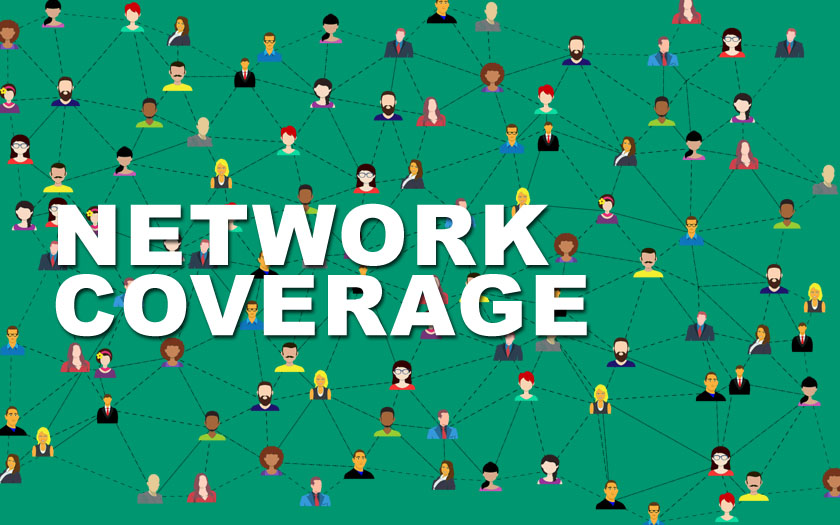
How to become a good networker?

Why create a sales strategy?
Why have a sales strategy? It is important to have a good sales strategy if you want to achieve your sales goals. A good sales strategy must be supported by an action plan that focuses on areas of action and resources. AND personal contact – and follow-up. It is ALWAYS you who has to follow a sale to the door.


How do I do MER sales?
The key to becoming good at MER sales is to be able to see and hear the customer’s needs. Once you’ve learned to “spot” and “listen to” the customer’s needs, it’s hard to keep sales down. Therefore, start by learning to pay attention and listen to your customers. That way, you can better help them get what they want.
When are you a good salesperson?
A good salesperson knows what questions to ask and when to ask them. Getting good at asking the right questions is extremely important if you are to be successful in sales. It’s always a good idea to ask questions like what, if, when, which, why, and who.
What is a cross-sell?
Definition. Cross-selling can be compared to additional sales, but to a greater extent means that the products that are “upselled” cross the same product category as the expected purchase.
How do you create interest in that service – or the product?
Ask, listen and understand. You need to make room for the customer to open up information about their business and their expectations. The customer will find that you show interest in the pderson and their needs. It’s a good position for you to be in, and it builds trust.
What is a good customer experience?
The good customer experience comes from the customer feeling seen and met. It is important to find exactly the energy and attention that the customer expects – consciously or unconsciously. “When you develop a concept, you have to think customer behaviour and personality into the Cabal.
Why is it not always a good idea to set sales prices low?
The absolute biggest pricing mistake you can make is to set your prices too low to start with ‘out of need’ or consistently give discounts to attract customers. Note. This does not mean that you should not make promotions at a discount, but if you always give a discount, then you will only attract a very price-focused customer segment.
How to price yourself?
How much do you cost per hour? Keep in mind that you cannot invoice all your hours to your customers, because you also need time for everything else in your company – administration, development, follow-up, production, etc. You also need to earn money for holidays and days off and for you to possibly get sick.
What should my hourly rate be?
Your hourly rate should be your desired salary divided by the number of hours you work. Let’s take a simple example first. If you want to earn 40,000 a month before taxes and work 37 hours every week, that’s 480,000/year and about 1600 hours in a year. That adds up to about 300 kroner per hour.
What does contribution margin contain?
When a company sells a product, there are some costs directly associated with the sale. The contribution margin is the part of the turnover (sales) that remains when these costs are paid. Contribution margin is thus the contribution that a given product can make to cover the company’s fixed costs.
How do you calculate contribution margin?
Contribution margin / turnover x 100 = coverage This means that in order to calculate the coverage ratio, the contribution margin must be divided by the turnover to be multiplied by 100, which gives the figure as a percentage.
What is a contract?
A contract is an oral or written agreement between persons or companies. A contract describes all the details of the agreement agreed by the parties. Contracts can be used for many different things, for example in connection with entering into a job, hiring, or partnerships.
What should a contract look like?
A contract should at least contain a date marking, a receipt of services and a handwritten signature or a digital signature.
When is a contract concluded?
According to the Contract Act, it is binding on both parties when the tenderer – e.g. you who sell your service – has made an offer that receives – buysone of the services – has accepted. The rules are clear: the agreement is binding, whether oral or written.
Can you get out of a signed contract?
In most cases, a cancellation of agreement is not possible. An agreement is binding as soon as both pars have signed or otherwise confirmed the agreement.
What is the gauge of a contract?
A contract is concluded by two or more parties – whether natural or legal persons, companies or institutions – agreeing on a legal transaction, a purchase, a loan, the performance of a job or anything else, the content of which they have described in more or less detail in the agreement.
How to read a contract?
A contract should always be date marked. A contract should always be divided into sections that clearly describe the different points of the contract. A contract should always be described for a purpose that will facilitate the interpretation of the contract in the event of disputes.
What are the consequences of breakinging the contract?
In most cases, the contract is terminated by the break. But it gives the aggrieved part the right to claim damages or a reduction in price – if the contract includes a purchase or a price.
Can you withdraw a signature from a contract ?
You cannot come and “regret” your signature afterwards, as you can with, for example, a purchase in a store. You may be lucky that the other party is willing to disregard the contract.
When can a contract be terminated?
It is an examination of when and how an existing contract may cease to exist as a result of the contract being terminated. The general rule is that a contract part can terminate the agreement if there is default from one of the parts.
Who signs a contract first?
There are no rules about who must sign the purchase agreement first. Thus, it is up to the contract parts whether the buyer or seller signs first, or whether the contract parts meet and sign at the same time. It will often be practical considerations that determine whether the contractparts use one approach or the other.
When are you bound by an agreement?
When you as a tenderer have received an acceptance, the agreement is finally concluded. The acceptance may be oral, but it is important to secure written confirmation. You don’t have to write an actual formal agreement; the content of the agreement consists of the original offer, compared to the acceptance.
How binding is a signature?
As soon as you put the signature on the agreement, you confirm that you are familiar with the content of the contract. The signature is therefore binding. You are obliged to comply with a contract as soon as you have signed it. You are not entitled to have the contract terminated, even if you regret shortly afterwards.
What makes a contract binding?
A contract is legally valid when you have actively entered into the agreement either orally or in writing. A contract is not valid if you have not done anything active to enter into the agreement. For example, if you have not responded to an offer, there is no legally valid contract.
What are the consequences of breach of contract?
In most cases, the contract is terminated by the breach. But it gives the aggrieved party the right to claim damages or a reduction in price – if the contract includes a purchase or a price. However, there must be a material breach.

What does planning mean?
Planning is the initial, thought and logistical activities before the actual execution. Planning can be linear so that it is completely completed before the start of implementation – or it can be dynamic so that it continues throughout the implementation of the activity.
Where is Planning important?
Planning is the key to getting an overview. When we have an overview, it gives us peace and the opportunity to focus for a longer period of time. Without an overview, we have a high probability of spending a lot of unnecessary time to, for example, constantly have to decide: “what should I do now”, “what is most important”, “what do I want to do”.
How to work structured?
7 tips for a better working day
How to work most efficiently?
Create effective work passes in 45 minutes, where you prioritize your tasks according to what is most important and what is urgent, while putting the most difficult and complex tasks at the beginning of the day. No emails or unnecessary phone calls. Emails and phone calls are posted at the end of the day. Take active breaks of 10 – 15 min. – every hour. Experts believe that our brain is not built to concentrate longer than 20-30 minutes at a time. Therefore, remember to take breaks. You become much more efficient when you work focused for a shorter period of time.